
About | Support | Workshops | Gallery
About D4PG
Data For Public Good (D4PG) is a collective space where we share insights, learnings, and have conversations on topics including; Digital justice, Afrofuturism, Data and data privacy, AI and much more. We aim to tap into the collective power of community-based changemaking through technology, democracy, and justice.

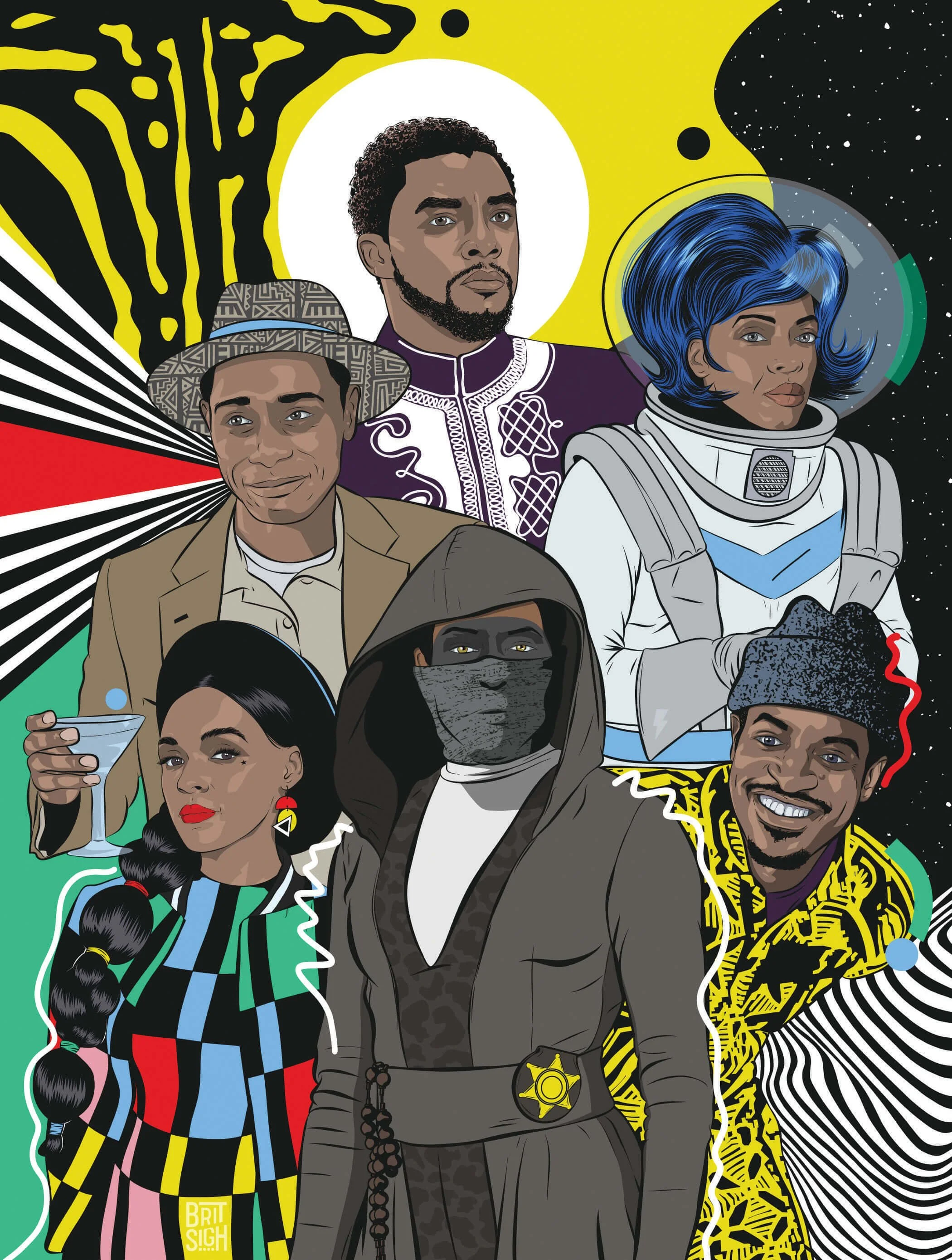
Illustration By Brit Sigh
Whether you're a data scientist, student, artist, community advocate, parent, attorney, educator or community member, we are here to host these dynamic conversations with you!
This year's theme is, Co-Powering an Emergent Horizon Part II: Reimagining Our Relationship with the Future, inspired by our co-authored article in the Stanford Social Innovation Review.
By being a part of this experience, you will:
Learn about resources and tools
Gain insight into strategies and models to activate in your communities
Expand your network by connecting with others
Join conversations about the importance of democracy in technology for protecting our civil liberties, ownership, and privacy rights
Support D4PG's Mission
Help us create transformative conversations about technology, democracy, and justice. Your support makes D4PG accessible to changemakers everywhere.
Why Support D4PG?
Bring more underrepresented changemakers to the table
Counter surveillance capitalism with community-driven alternatives
Build lasting networks that create systemic change beyond the D4 conference
Support grassroots organizers fighting algorithmic bias and digital harm
Amplify Afrofuturist visions of technology serving liberation
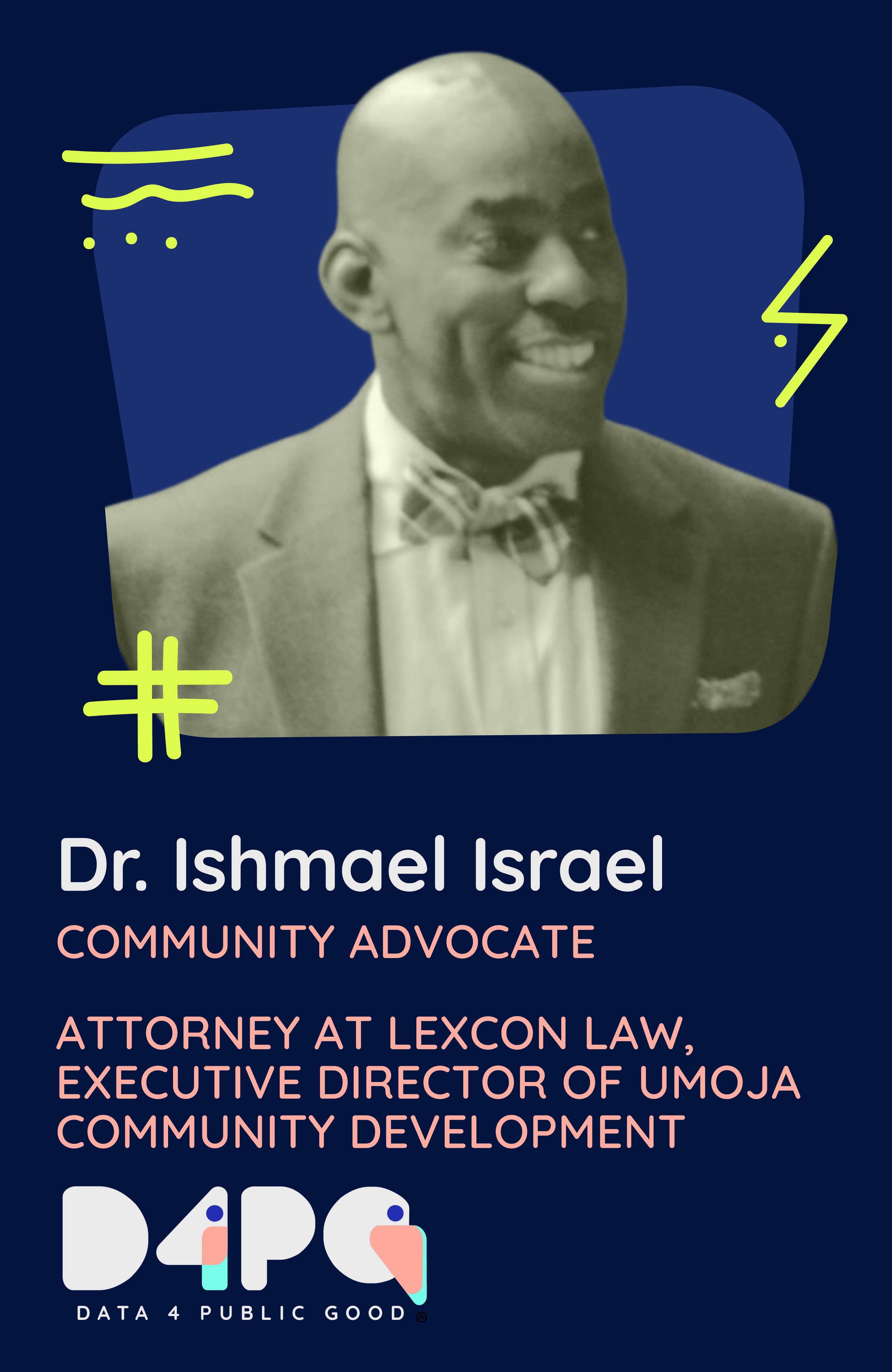
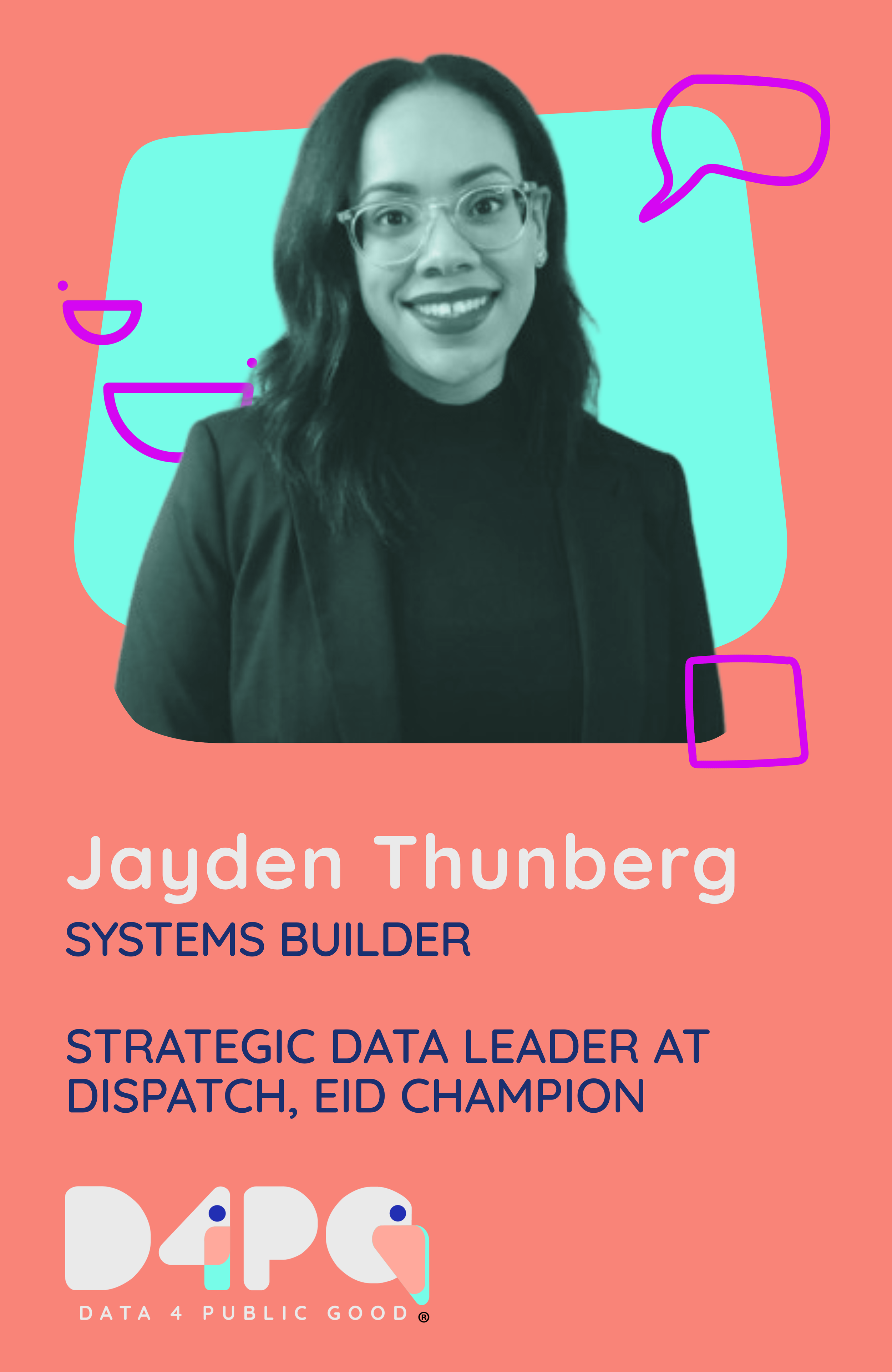
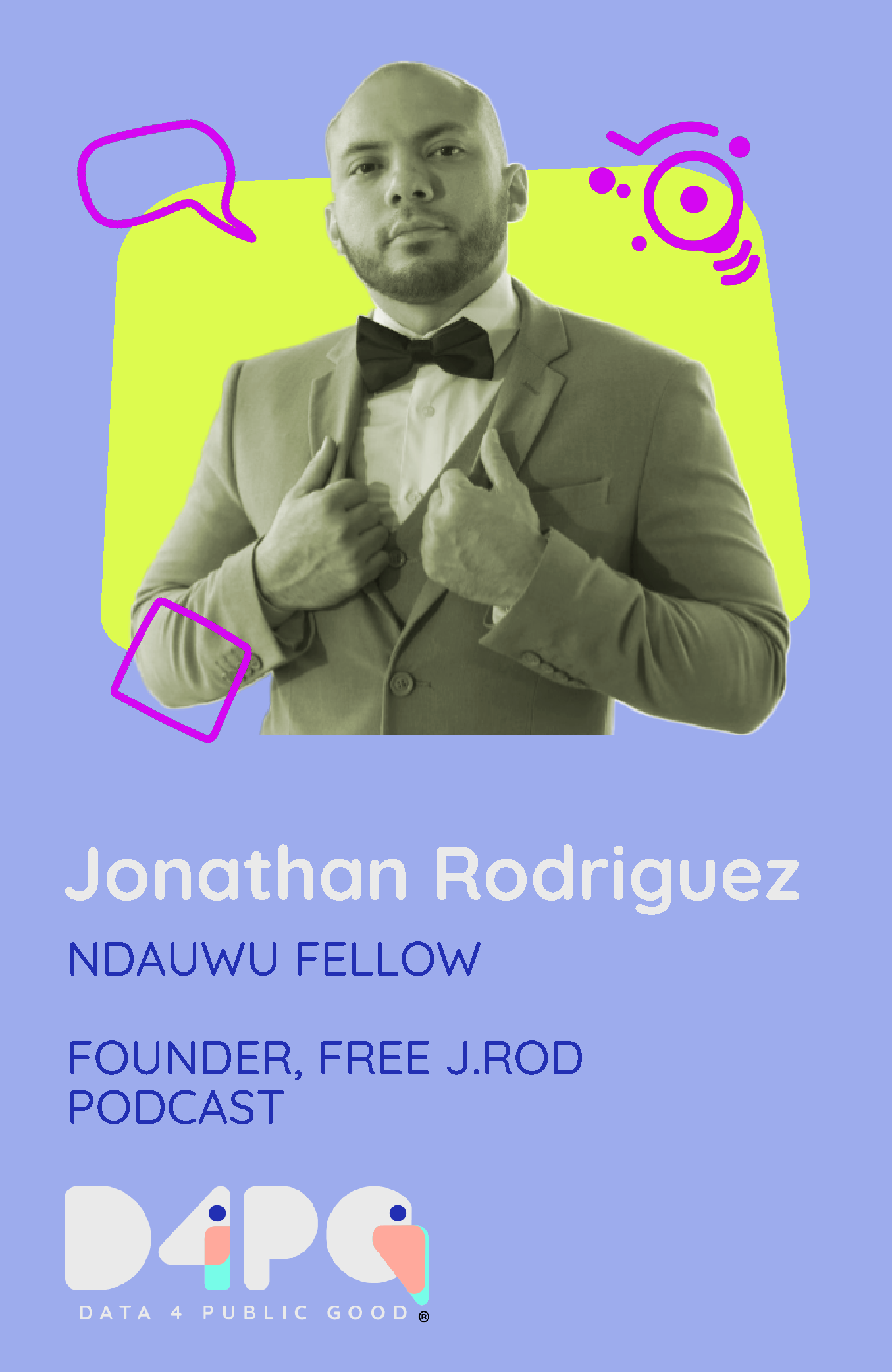
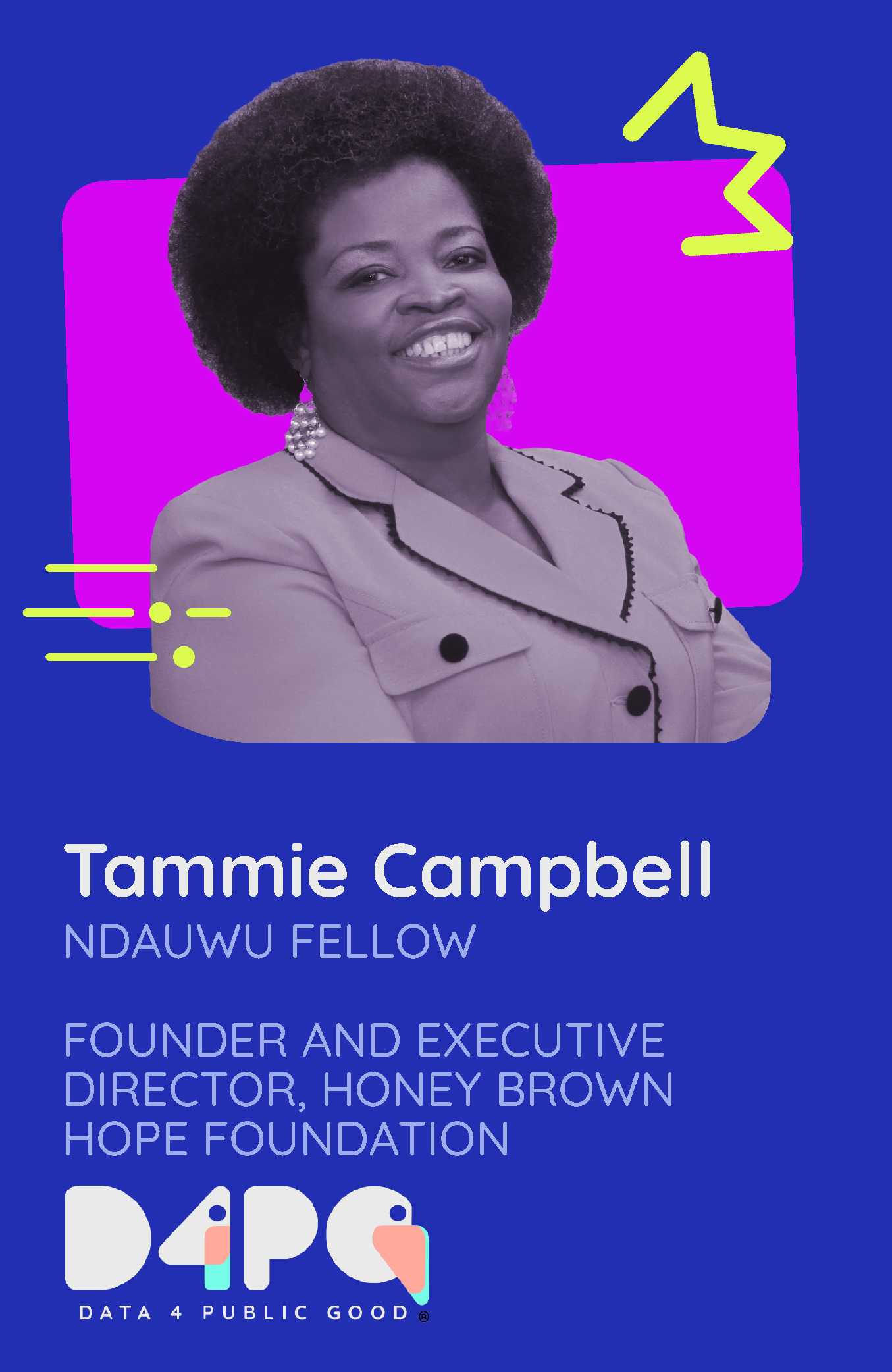
Meet Our Incredible Speakers
Good day, Friends:
We were connecting, sharing, and learning together — three days of meaning making and imagining creative futures out loud, in community, in co-power. We built the kind of space that does not dissolve after the chairs are stacked and the room has cleared. What we made at UROC was never just a conference — it was a practice. And practices don't end.
Let's keep building. Let's keep being what many of us now call D4 Co-Powering Agents.
IN YOUR WORDS
You Said This
We gathered your words across all three days and left them unsorted. Community sits at the center because that is where we put it. Sit with this a moment — it may bring back a conversation you'd forgotten, an idea you left on the table, or something entirely new.
[Word cloud image — participant contributions · July 22–24, 2026]
Our theme — Creative Futures — was never meant to live in a program book. It is a practice we carry forward into our own neighborhoods, classrooms, organizations, and institutions. Below you'll find readings, resources, and calls to action gathered during our time together. Treat them as raw material — the reading, watching, and doing that a creative future asks of us.
COMMUNITY
Stay Connected
Have you found your way to Mighty Networks yet? That is where the conversation continues between gatherings — questions, working sessions, and the connections we began in North Minneapolis. Come find us.
Join us on Mighty Networks →
https://data-4-public-good.mn.co/share/cwchEkgxH7icTiUe
FILM
Screenings
You asked us to finish what we started with Ghost in the Machine — and we heard you. We are working on access and will share a link as soon as it is ready. If you'd like to be notified directly, please send us your email address and we will reach you the moment it's available.
You can also bring the film to your own community. Host a #WhileBlack and/or Ghost in the Machine screening — reach out through Mighty Networks and we will help you get it set up.
A PBS premiere of Ghost in the Machine is expected — date to be determined. We will pass it along the moment it's confirmed.
[Film posters: Ghost in the Machine · #WhileBlack]
LITERATURE
Local Reads
Futures get built out of other people's imaginations too. Here are some voices from the Twin Cities:
The Late Homecomer: A Hmong Family Memoir — Kao Kalia Yang
Queer Voices: Poetry, Prose, and Pride — Andrea Jenkins, John Medeiros, Lisa Marie Brimmer
Nomad Diaries: A Novel — Yasmeen Maxamuud
My Emancipation Don't Fit Your Equation: Critical Enactments of Black Education in the US — Brian Lozenski
Funk the Clock: Transgressing Time While Young, Perceptive, and Black — Rahsaan Mahadeo
WHAT'S NEXT
Futures Labs Release
A few things coming out of Futures Labs you can step into right now.
National Month of Writing — November 1
The organization that carried this tradition nationally has sunset. Futures Labs is carrying it forward so the positive legacy continues. Bring the futures you have been imagining into text. Watch Moss and Mighty Networks for details.
Moss → https://moss.social/
D4PG Mighty Networks → https://data-4-public-good.mn.co/share/cwchEkgxH7icTiUe
Bitter Root Book Club
Our invitation stands to join the exploration of speculative fiction and Afro-Futures, led by Dr. Tanya Clark of Morehouse College. Our next conversation takes place August 29 at 10 am CDT — Octavia Butler's Patternmaster. Reading the entire book in advance is not required. Come as you are.
TECHNOLOGY & POWER
Building the Tools to Meet the Moment
The tools that run our world — the ones powering hospitals, schools, maps, communication, and democracy itself — were largely built in the open, by communities, for everyone. Free, as in freedom.
And then, for profit, quietly, they were enclosed.
Open source has always been a freedom movement before it was a technology one. The people who built it understood something organizers understand too: whoever controls the tools controls the power.
At D4PG 2026 we demonstrated Moss.Social — one of those tools built with that understanding — and explored what it looks like when the user experience reflects the inner face of a community: its values, its dignity, its right to hold what it builds, and its right to repair when necessary.
The history of how we got here matters. So does the question it leaves us with: if the infrastructure was built in the open, why do so few communities hold power over it?
We are not waiting for permission to imagine differently. We have begun to create our own branches: the communities we choose, the solutions we build, the technologies that answer to us — and the creative futures only we can design.
Explore the history → https://moss.social/
LAND, WATER & TECHNOLOGY
What Does Wild Rice (Manoomin) Have to Do with Data Centers?
We are grateful to Mukwa for helping us answer this question in their workshop at D4PG — and for teaching us Ojibwe words in the process. We say Gaawin (NO) to data centers for many reasons. In the words of Dr. Squires: "It's not worth the water" — and that is reason enough.
Data centers are not only an environmental threat. They also fuel technologies in education that surveil, censor, track, detain, and criminalize students and their families. The harm is layered and it is connected.
Call to Action — August 9–15
National Week of Action: Dump Big Tech. National organizations are targeting elected officials to end corporate handouts for data centers and demanding moratoriums. Actions are happening in Philadelphia, New York City, Connecticut, Buffalo, New Jersey, Portland, Massachusetts, and more.
The invitation is to become experimenters and co-designers — to co-define how we shape and use these tools to meet our own visions, present and future.
dumpbigtech.org → https://dumpbigtech.org
FIELD-DEFINING READ
Redefining Technology Itself
As we redefine our relationship with technology — collaborative and collective intelligence, data, and the systems shaping our days — let's also reconsider our definition of technology itself. Redefining the tools is part of designing the future; we cannot build a creative future on an extractive definition of technology. Here is a good place to start.
Lo-TEK: Design by Radical Indigenism — Julia Watson
Traditional Ecological Knowledge (TEK)
TEKnology is the application of traditional ecological knowledge to design and implement solutions to environmental, agricultural, architectural, and social challenges. It embodies practices, tools, and principles that enable respectful and reciprocal engagement with indigenous knowledge systems, honoring their underlying intentions, values, and ecological logic. TEKnology shifts society from extractive approaches toward regenerative relationships — connecting people to both place and planetary systems.
What we started at UROC does not belong to a conference — it belongs to the community.
Thank you for showing up, sharing, and helping us imagine what comes next.
Warm regards,
Aasim and Marika
Stewards of the Twin Cities Innovation Alliance | D4PG
On behalf of the D4PG team and the Local Organizing Committee
tciamn.org
Creative Futures did not end on July 24.
Let's be about the business of creating the futures we desire.
Join us for Creative Disruptions · July 13–15, 2027